What Is Termite Treatment?
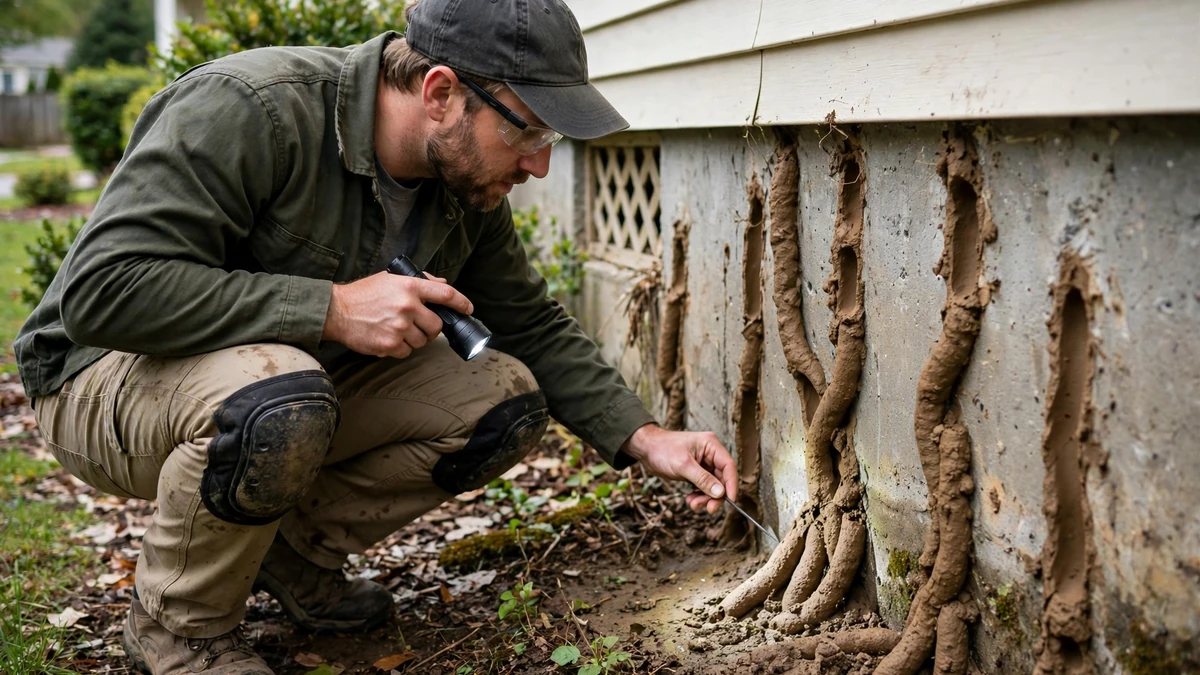
Termite treatment is the inspection and treatment of a home for termites, using methods matched to the species and the construction of the building. A local pro checks for mud tubes, swarmers, frass, and damaged wood, then explains which treatment fits the problem, whether that is a liquid barrier, bait stations, borate treatment, or fumigation for widespread drywood activity.
How Do I Know If I Need Termite Treatment Near Me?
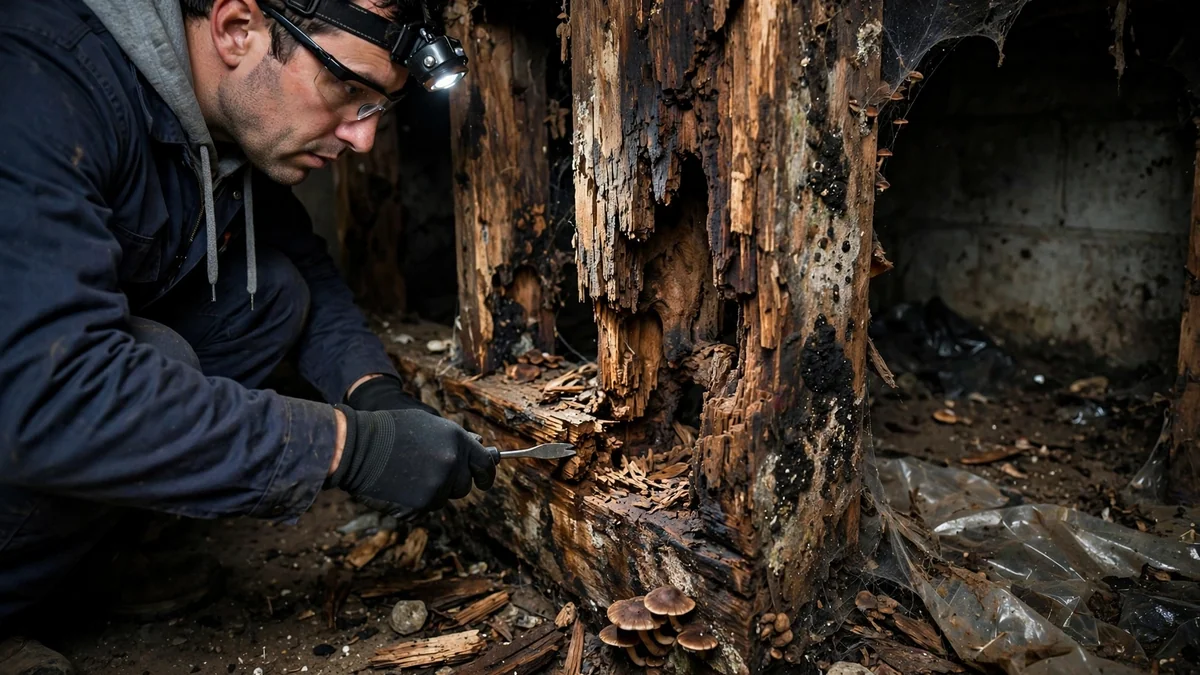
You may need termite treatment if you find mud tubes on foundation walls, swarmers indoors, discarded wings near windows, drywood pellets under wood, or timber that sounds hollow when tapped. Any of these signs is worth a check, because termites work inside wood where damage stays hidden until it becomes serious.
What Happens During A Termite Inspection?
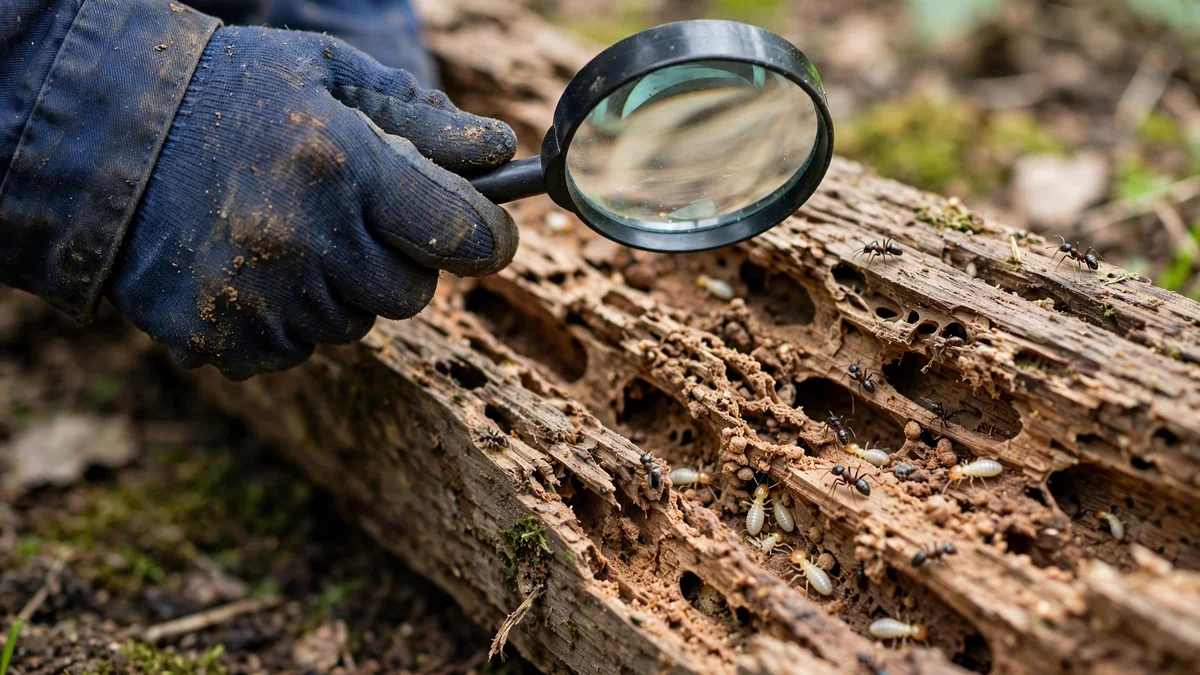
During a termite inspection, a local pro looks at the foundation, crawl space, attic framing, and wood around doors, windows, and plumbing entries for signs of activity. Thermal and acoustic tools can help find hidden galleries, and the pro explains what was found, whether the colony appears active, and which treatment options fit the home.
How Long Does Termite Treatment Take?
How long termite treatment takes depends on the size of the home, the species involved, and the method chosen, so no single time fits every job. A liquid barrier around a typical home usually takes a day of work on site, while bait station monitoring continues over months, and fumigation requires the home to be empty for a set period.
Is Termite Damage Covered By Homeowners Insurance?
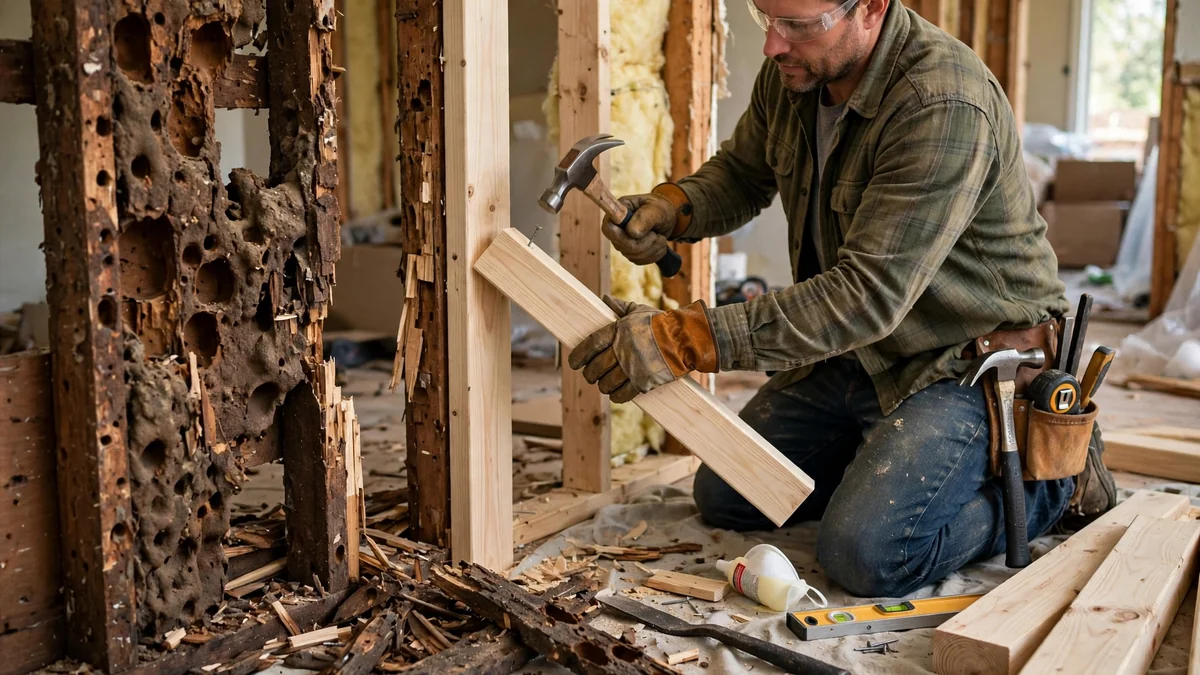
Most standard homeowners insurance policies do not cover termite damage, because insurers usually treat it as a maintenance problem that builds up over time. That makes early inspection important, and a local pro can explain what damage was found and what repair work a contractor should price separately from the treatment itself.
What Is The Difference Between Subterranean And Drywood Termites?
Subterranean termites live in soil and reach wood through mud tubes, while drywood termites live entirely inside dry wood with no soil contact. The difference matters because subterranean treatment usually protects the soil around the foundation, while drywood treatment targets the infested timber itself, sometimes with spot treatment or fumigation.
Can Termites Return After Treatment?
Termites can return after treatment if new colonies reach the home or if a barrier is broken by later building work, landscaping, or plumbing changes. Ongoing monitoring, annual checks, and keeping wood away from soil and moisture help protection last, and a local pro can explain what follow-up fits the method used at your home.
What Should I Do If I See Termite Swarmers?
If you see termite swarmers indoors, stay calm, avoid spraying the area with household insecticide, and collect a few swarmers or wings in a sealed container if you can do so safely. Then call a local pro promptly, because swarmers show that a mature colony is nearby, even if the exact nest has not yet been found.
Do I Need A Termite Bond Or Warranty?
A termite bond or warranty is a service agreement that usually covers retreatment if termites return during the agreement period, while some agreements also cover repair of new damage. The terms differ widely, so ask exactly what is covered, how long it lasts, what renewals cost, and whether damage repair is included before you agree.
How Can I Prevent Termites Around My Home?
You can lower termite risk by keeping wood away from soil, fixing leaks and drainage problems, clearing debris and firewood from foundation walls, and sealing gaps where pipes and wires enter the home. Regular inspections catch new activity early, which is the simplest way to protect framing, sill plates, and subflooring over time.