Termite Treatment In Georgia: The Full Guide
What Is Termite Treatment In Georgia?
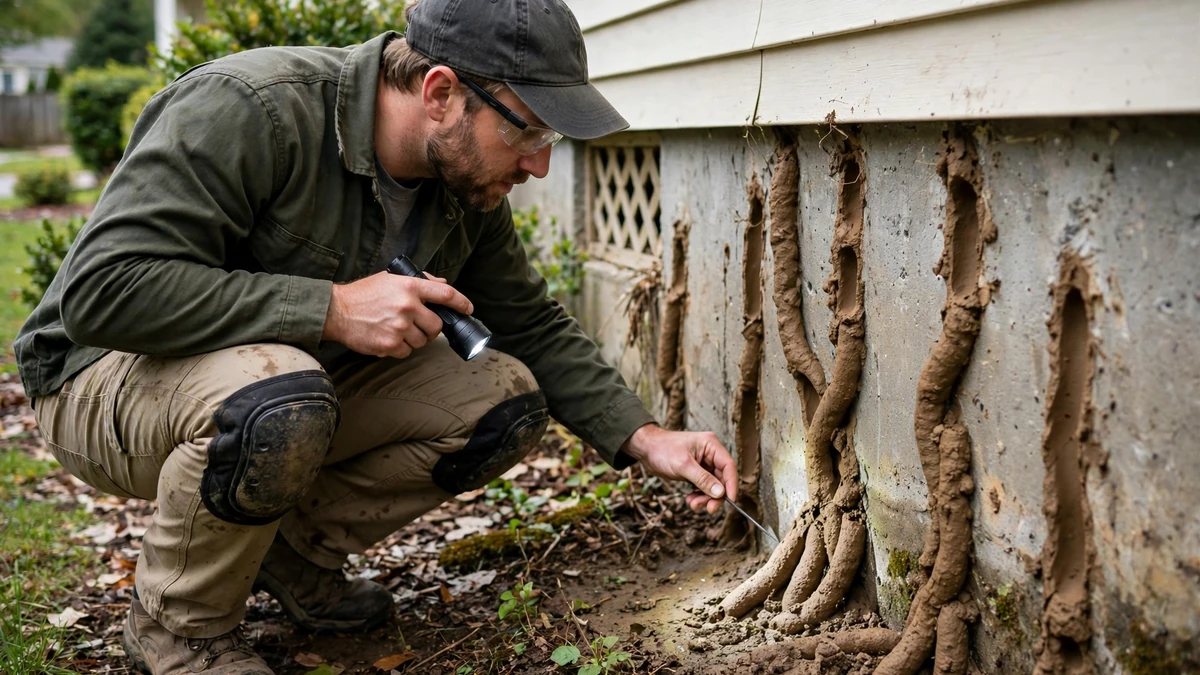
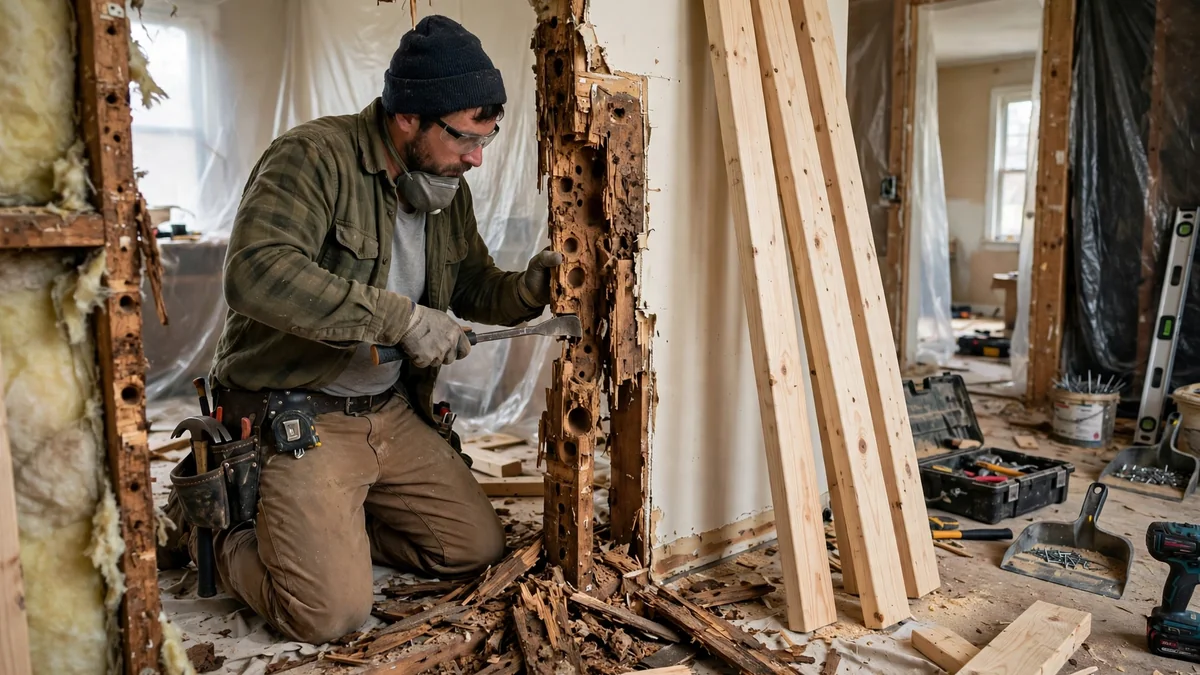
Termite treatment in Georgia means inspecting a home for termites and treating the species found, using methods matched to the home and its foundation. A local pro checks the foundation, crawl space, attic framing, and wood around doors, windows, and plumbing entries, looking for mud tubes, swarmers, frass, and hollow-sounding timber. Georgia sits in the very-heavy termite zone, so the question for most homes is not whether termites are possible, but whether activity is current and where it is.
Which Species Affect Georgia Homes?
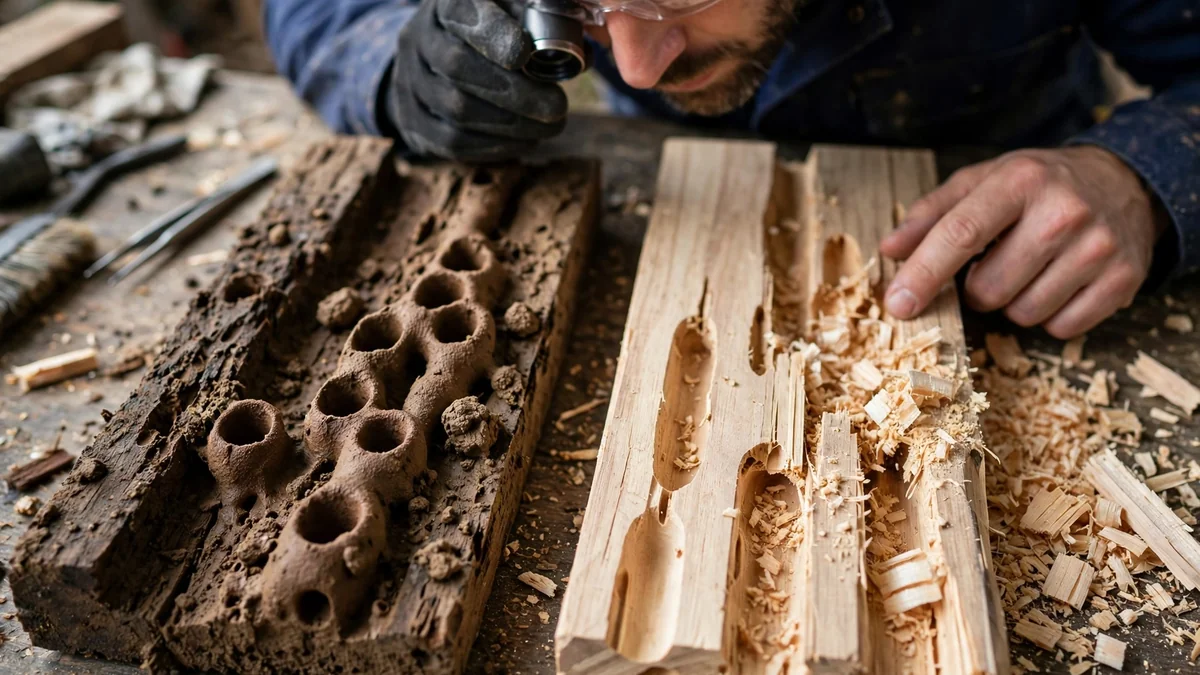
Eastern subterranean termites are the primary structural threat statewide in Georgia, travelling from soil to timber through mud tubes. Formosan subterranean termites have confirmed sites mainly around metro Atlanta, Savannah, and Cairo, and are not confirmed for a particular address without a specimen check. Drywood termites also occur in Georgia, living entirely inside dry wood with no soil contact, so their treatment must target the infested wood itself rather than the soil.
How Do Pros Inspect A Georgia Home?
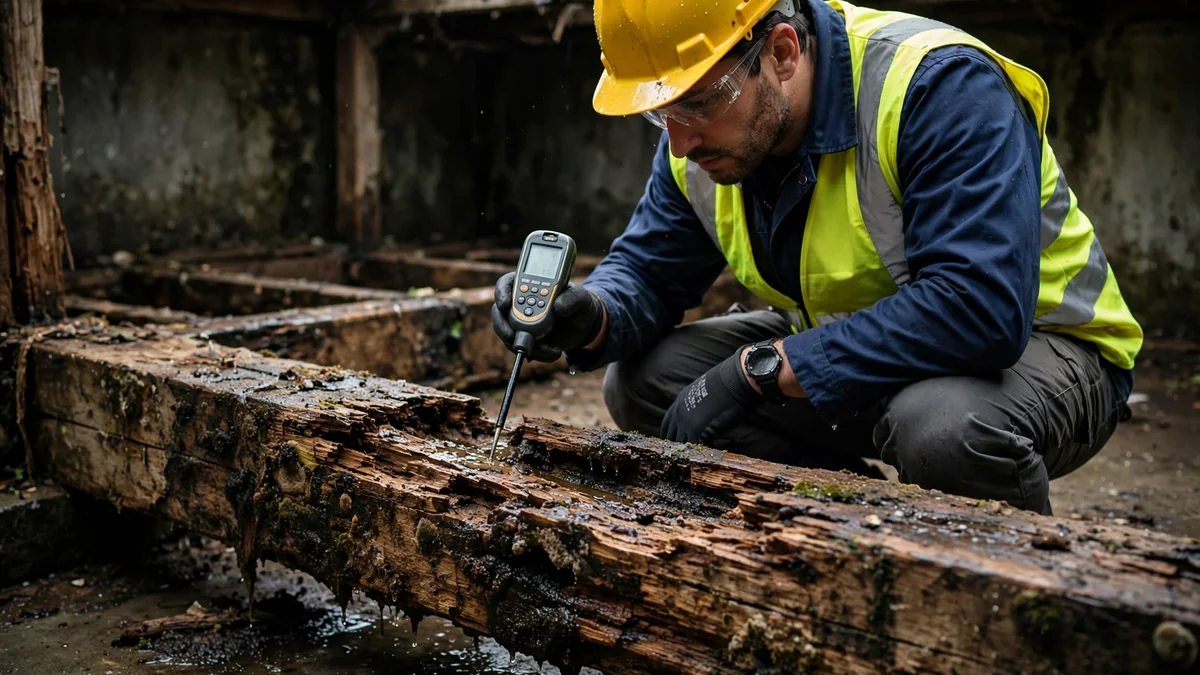
Pros inspect visually, probing and sounding wood, then use thermal imaging and acoustic detection where hidden galleries are suspected. Moisture meters help find damp timber, which matters in Georgia where rain keeps soil moist and leaks can keep a crawl space damp for months. Slab edges and expansion joints get close attention in slab homes, while piers, joists, and subflooring get close attention in crawl space homes, and the pro explains what was found in plain words.
Which Treatment Methods Are Used?
A liquid termiticide barrier around the foundation suits subterranean termites, with sub-slab treatment where termites enter through cracks and joints. Bait stations around the perimeter add monitoring over time, borate treatment protects exposed framing during repairs, and spot foam or dust treats localised drywood galleries. Tent fumigation is reserved for widespread drywood activity that spot treatment cannot reach, and a local pro explains which of these fits the species and the home.
What Affects The Cost In Georgia?
Cost depends on the species, the method, the size of the home, the foundation type, and how far activity has spread, so no fixed price is published here. Georgia had 11,180,878 people in the Census Vintage 2024 estimates, with 4,668,796 housing units in the ACS 2024 1-year estimates, a median year built of 1993, and 66.3% owner-occupied homes in the same ACS release. Those figures describe the housing stock, not any single home, and inspection findings always come before a price.
Insurance, Rules, And Prevention In Georgia?
Homeowners in Georgia can check the Georgia Department of Agriculture, Structural Pest Control Division, for consumer information about structural pest control, and the Office of Insurance and Safety Fire Commissioner for information about filing a consumer insurance complaint. Prevention after treatment means fixing leaks, keeping wood away from soil, and arranging regular checks, because the conditions that let one colony in can let the next one in too.