Termite Treatment In Florida: The Full Guide
What Is Termite Treatment In Florida?
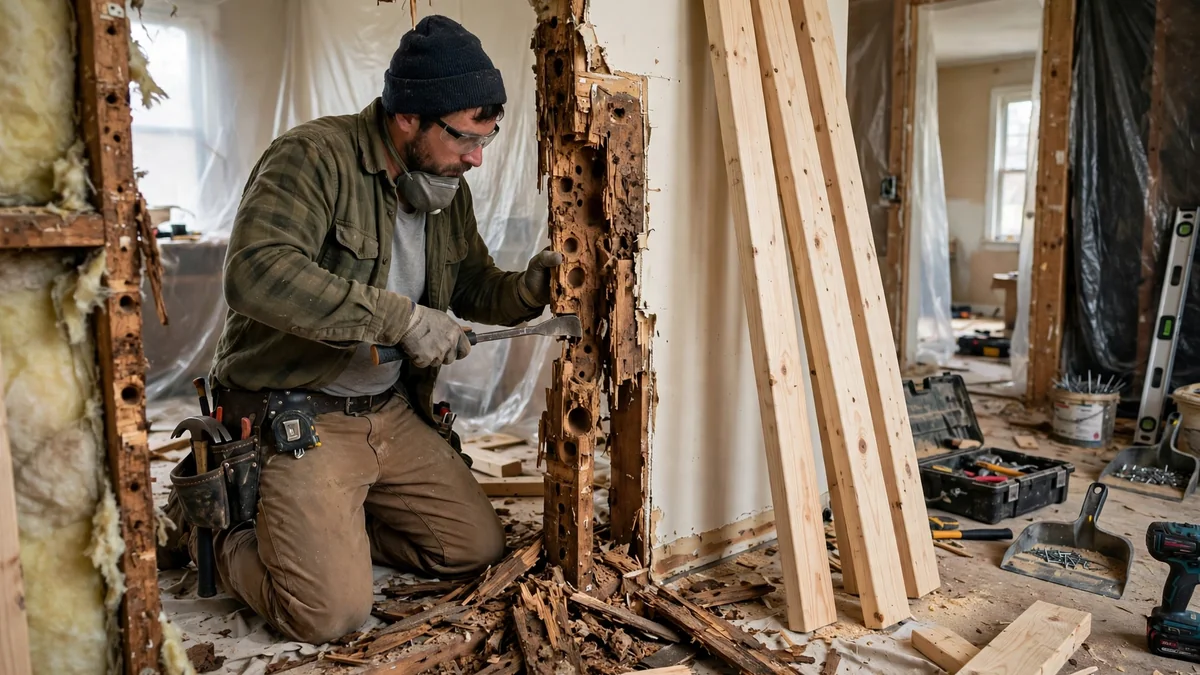
Termite treatment in Florida means inspecting a home for termites and treating the species found, using methods matched to the construction of the building. A local pro checks the foundation, crawl space, attic framing, and wood around doors, windows, and plumbing entries, looking for mud tubes, swarmers, frass, and hollow-sounding timber. The inspection matters because termites work inside wood, and the first visible sign is often only a small part of the colony.
Which Species Affect Florida Homes?
Eastern subterranean termites are found statewide and reach wood from soil through mud tubes. West Indian drywood termites live inside dry wood with no soil contact and have spread to many Florida cities. Formosan subterranean termites are invasive and aggressive, and the Florida Department of Agriculture and Consumer Services runs a Formosan Termite Program for public information. Dampwood termites need very moist or decaying wood and appear where leaks or flood moisture have kept timber wet.
How Do Pros Inspect A Florida Home?
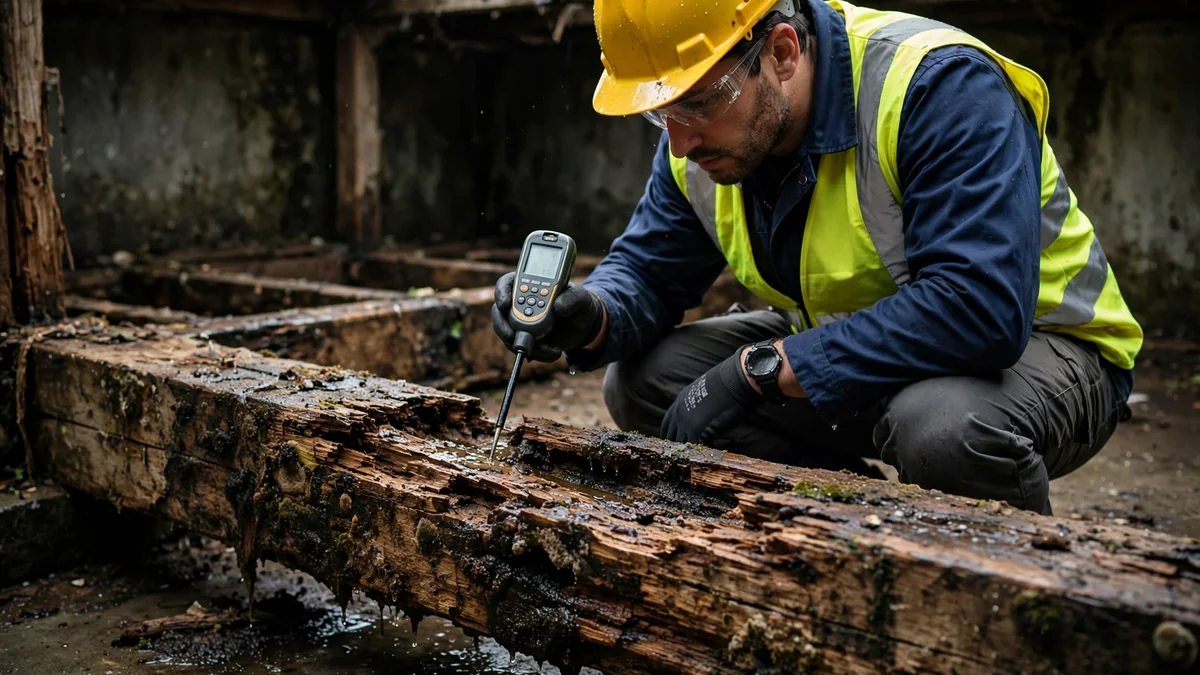
Pros inspect visually first, probing and sounding wood, then use thermal imaging and acoustic detection where hidden galleries are suspected, because heat and sound can reveal activity behind walls. Moisture meters help find damp timber that attracts subterranean termites, and a careful check of slab edges, expansion joints, and piers shows where termites enter. The pro explains what was found, whether activity appears current, and which treatment fits.
Which Treatment Methods Are Used?
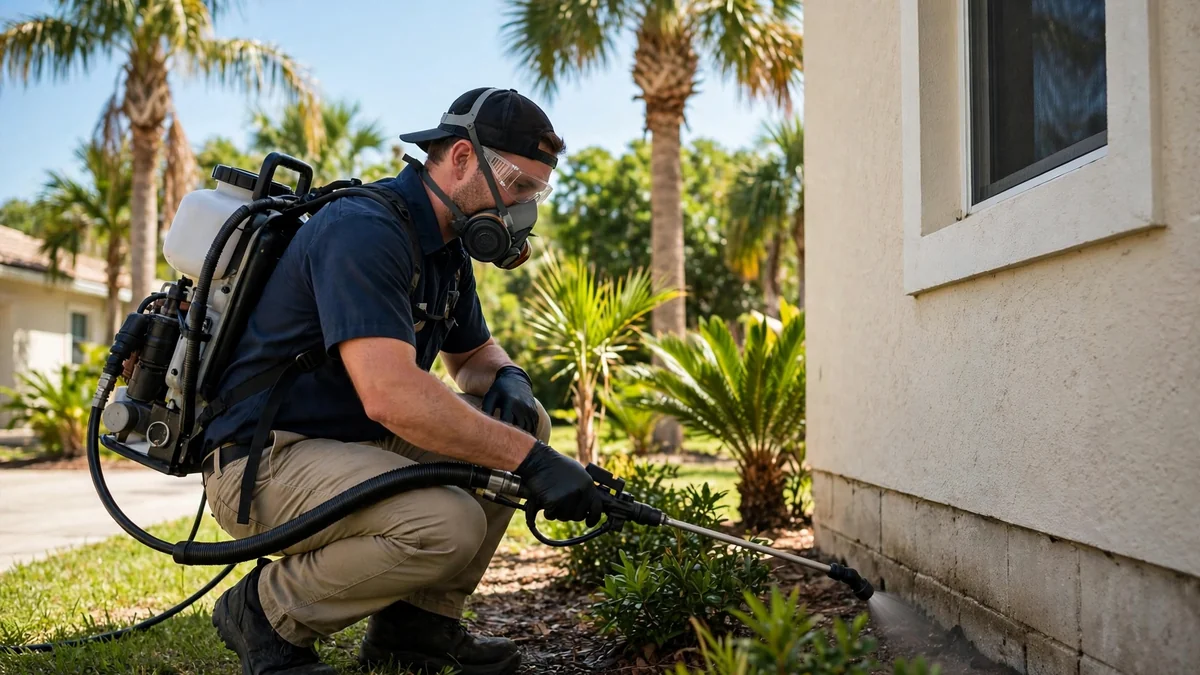
Liquid termiticide barriers treat soil around the foundation and under slabs, forming a treated zone that subterranean termites must cross. Bait stations place monitoring stations in soil around the home, where termites feed and carry bait back to the colony, with regular checks over time. Borate treatment protects exposed framing, while spot foam and dust treat localised drywood galleries, and tent fumigation covers a whole structure when drywood activity is widespread. Pre-construction treatment protects new homes by treating soil before the slab is poured.
What Affects The Cost In Florida?
Cost factors include the species, the method, the size of the home, the foundation type, and how far activity has spread. A slab home may need sub-slab drilling, a crawl space home needs pier and joist treatment, and a multi-storey home needs more access work. No fixed price is given here, because a pro must inspect first, and the agreement terms, including retreatment cover and renewal, should be read before signing.
Insurance, Rules, And Prevention In Florida
Most standard homeowners insurance policies do not cover termite damage, because insurers usually treat it as a maintenance problem, so early inspection protects both the home and its value. Florida pest control licensing sits with the Department of Agriculture and Consumer Services, and consumers can check official guidance there.
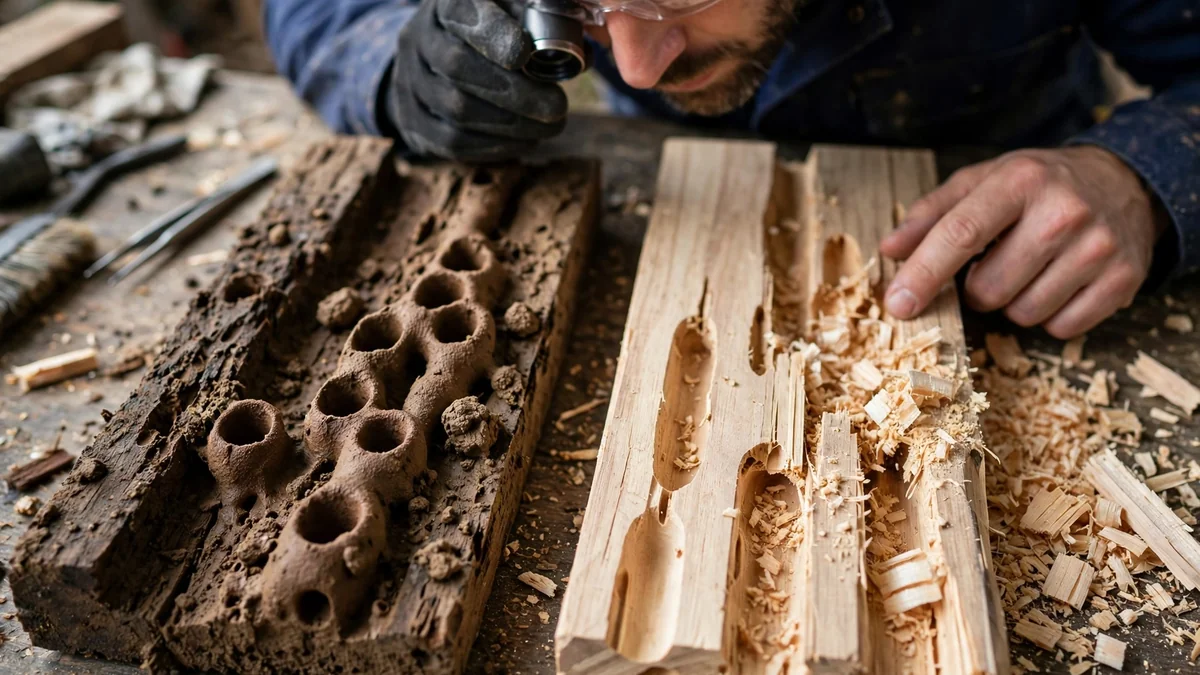
Nearby-state context helps too: a termite swarmer in Florida looks like other winged insects, but the US Environmental Protection Agency registers the termiticides used in treatment, and the Termite Belt name covers the warm southern band where soil moisture keeps colonies active. A carton nest can appear where Formosan termites build above ground, and a powder-post beetle leaves fine powder that differs from termite frass. For nearby states, the Georgia Department of Agriculture and the University of Georgia Extension publish Georgia guidance, while the Texas Department of Agriculture and Texas A&M AgriLife Extension publish Texas guidance.
Prevention means keeping wood away from soil, fixing leaks and drainage, clearing debris from foundation walls, and arranging an annual inspection, which is the simplest way to catch new activity early in a state where termites stay active for most of the year.
Key terms for Florida homeowners include the termite colony, which feeds on cellulose in timber, and the concrete slab, which is drilled for sub-slab treatment where needed. A non-repellent termiticide is one termites pass through without detecting, carrying it back to the colony, while a fumigant is the gas used in whole-structure fumigation. Pressure-treated wood resists decay and termites, and a steel mesh barrier is a physical barrier fitted during construction. A WDO inspection supports real estate closings, and a termite bond or termite warranty may cover retreatment or repair, depending on its terms. UF IFAS Extension publishes Florida termite guidance that homeowners can check.
Related: Termite Treatment Alachua, FL · Termite Treatment Georgia · Termite Damage Repair After Treatment