
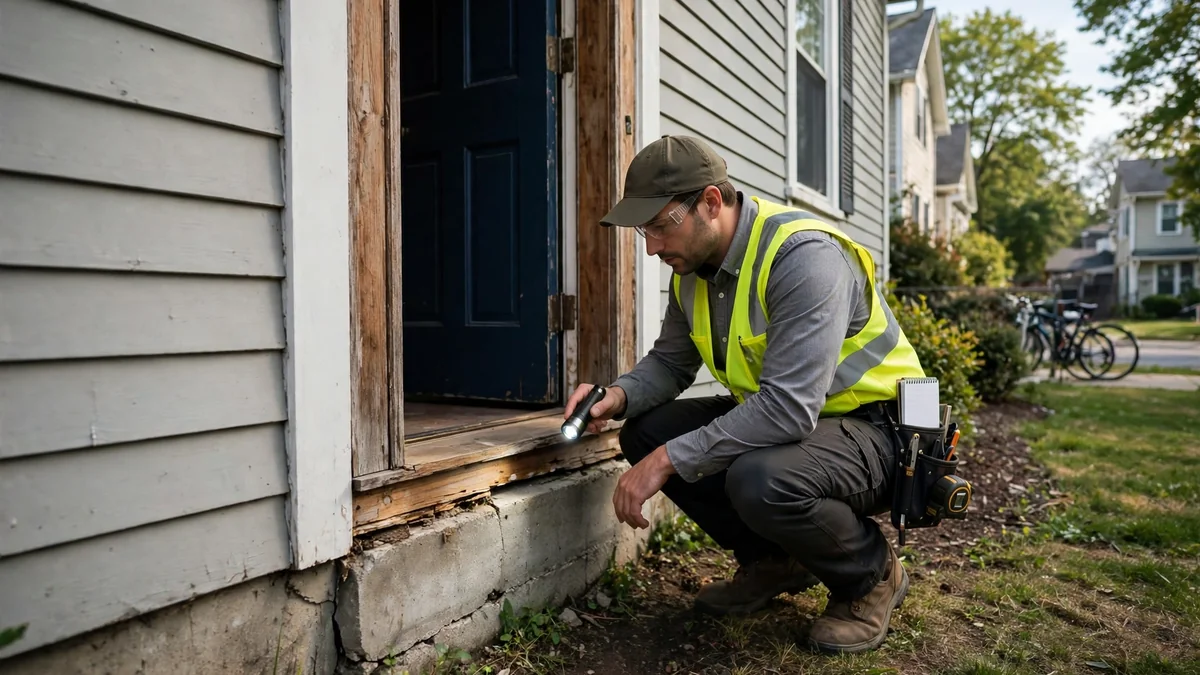
WDO Inspection When Buying Or Selling A Home
What a WDO report covers at closing, and how buyers and sellers prepare.
Read Guide →Home › Blog › Va Fha Termite Clearance
Reviewed By Hamza · Updated November 2, 2026 · Read time: about 9 minutes
 Call Now · (555) 000-0000
What clearance means · VA requirements · FHA requirements · Inspection and report · Treatment and re-inspection · Timing at closing
VA and FHA termite clearance means written proof, after inspection and any needed treatment, that a home meets the loan programme's termite requirements before closing. Requirements vary by programme, property, and lender, so no single letter fits every sale. A local pro carries out the inspection, and the lender confirms what proof it needs, so clearance is arranged early rather than at the closing table.
Termite clearance for a loan is written confirmation that termite inspection, treatment, or repair requirements set by a lender or loan programme have been met. It usually follows a WDO inspection report, and it may need treatment records, a re-inspection, or a clearance letter, depending on what was found. The lender decides what proof it accepts, so clearance is a lender requirement, not a standard document with one fixed form.
VA loans have termite inspection requirements that vary by property, location, and lender, and they are confirmed by the lender for each sale, so no fixed VA rule is stated here. In general, a VA sale may need an inspection, and where evidence is found, treatment and clearance before closing. Ask the lender early what it requires for the specific property, because requirements can differ between lenders and regions.
FHA loans have termite requirements that vary by property, appraiser findings, and lender, and they are confirmed by the lender for each sale, so no fixed FHA rule is stated here. In general, an FHA sale may need an inspection where the appraiser notes termite evidence or risk, followed by treatment and clearance if needed. Ask the lender early, because waiting for the appraisal to raise the issue can compress the closing timeline.
Inspection leads to clearance by producing a WDO report that shows what was found, followed by treatment or repair where needed, and then a follow-up check or letter confirming the work. Where no evidence is found, the report itself may satisfy the lender. Where evidence is found, the lender usually wants proof that treatment happened and that a follow-up inspection found no live activity, before it accepts clearance.
If treatment is needed before closing, the buyer, seller, and lender agree who arranges and pays for it, and the timeline is set so treatment and any re-inspection finish before the closing date. Treatment should not be rushed past the pro's advice, and damaged timber may need a contractor's repair as well. Early inspection leaves room for this sequence, while a late inspection can delay closing if treatment is needed.
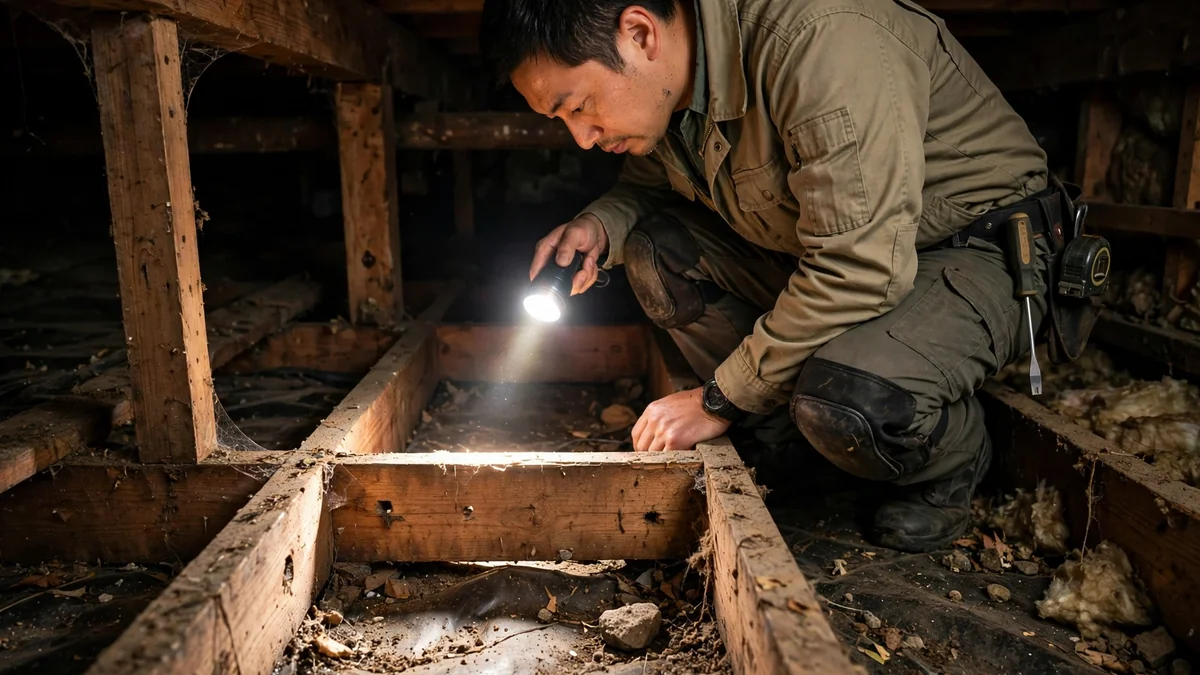
Buyers and sellers should prepare by asking the lender early what termite proof it needs, arranging inspection with time for treatment or re-inspection, and agreeing who pays if findings appear. Clear access to crawl spaces and foundation walls helps the inspection, and past treatment records help the pro. Preparation early in the sale avoids a closing delay caused by a last-minute clearance request.
Related cities: Termite Treatment Alva, FL · Termite Treatment Alpharetta, GA · Termite Treatment Amarillo, TX
Cities where termite damage repair help is available by phone.
Short, direct answers to the questions homeowners ask most, with the facts a local pro checks on site.
A clearance letter is not the same as a WDO report. A WDO report records what an inspection found, including any evidence and inaccessible areas, while a clearance letter confirms, after treatment or re-inspection, that requirements have been met. A lender may want one or both, depending on the findings, so ask the lender which documents it needs, rather than assuming a report alone counts as clearance.
Who pays for a VA or FHA termite inspection depends on the sale contract, the loan programme, and local practice, so it is agreed between buyer and seller rather than set by a universal rule. Some contracts place inspection costs with the seller, others with the buyer, and programme rules can affect who may pay for treatment. Check the contract and ask the lender early, so costs are agreed before inspection.
Whether a sale can close with old termite damage under VA or FHA depends on the lender, the report, and whether the damage is inactive and structurally sound. Old damage usually needs a clear report distinguishing it from live activity, and sometimes a contractor's view on repair. Lenders vary in what they accept, so ask early what evidence is needed, rather than assuming old damage will be overlooked.
If an appraiser notes termite evidence, the lender usually requires an inspection, and then treatment or clearance as the findings demand, before the loan can proceed. Appraiser notes trigger lender conditions, which must be met and documented before closing. Arrange the inspection promptly after the appraisal, because treatment and re-inspection take time, and closing dates may need adjusting.
Not all VA and FHA sales need a termite inspection, because requirements vary by property, location, appraiser findings, and lender. Some sales proceed without one, while others need inspection as a condition. Ask the lender at the start of the sale whether inspection is required for the specific property, rather than assuming it is or is not needed, so the timeline can be planned.
Clearance takes as long as the sequence of inspection, treatment, repair where needed, and re-inspection requires, so no fixed duration is promised here. A clear report may satisfy a lender quickly, while a sale needing treatment and repair takes longer. Early inspection is the best way to protect the closing date, because it leaves room for each step without rushing treatment or repair work.
Records to keep for loan clearance include the WDO report, treatment records, repair invoices, re-inspection reports, clearance letters, and lender correspondence about what was required. These records prove each step was completed, and they help future buyers and lenders understand the home's history. Store them with other sale documents, and pass them on if the home is sold again.
A buyer can usually choose their own inspector for a loan inspection, subject to lender and programme rules, and an independent inspection gives the buyer direct answers. The inspector should be qualified to issue the report form the lender accepts, so confirm that before booking. A buyer-ordered inspection also creates the buyer's own record for later treatment or warranty decisions.
If clearance is refused, the lender explains what is missing, whether it is treatment, repair, re-inspection, or documentation, and the sale parties address that gap. Refusal is usually a missing step, not a final rejection, so ask the lender for the exact requirement in writing, arrange the work promptly, and submit the new evidence. Early communication with the lender keeps a refused clearance from becoming a failed sale.
Reviewed By Hamza
Certified Structural Pest Control & Termite Control Specialist
Hamza is a licensed structural pest control specialist with extensive field experience diagnosing and treating subterranean, Formosan, and drywood termite infestations across Georgia, Florida, and Texas. He specializes in thermal acoustic inspections, non-repellent liquid perimeter trenching, sub-slab pressure injections, borate wood preservation, and bait station monitoring systems to safeguard residential and commercial properties against catastrophic structural wood loss.
Updated November 2, 2026
Guides that explain the next step, from repair to prevention.
What a WDO report covers at closing, and how buyers and sellers prepare.
Read Guide →
Retreatment-only cover versus repair cover: what each termite bond means.
Read Guide →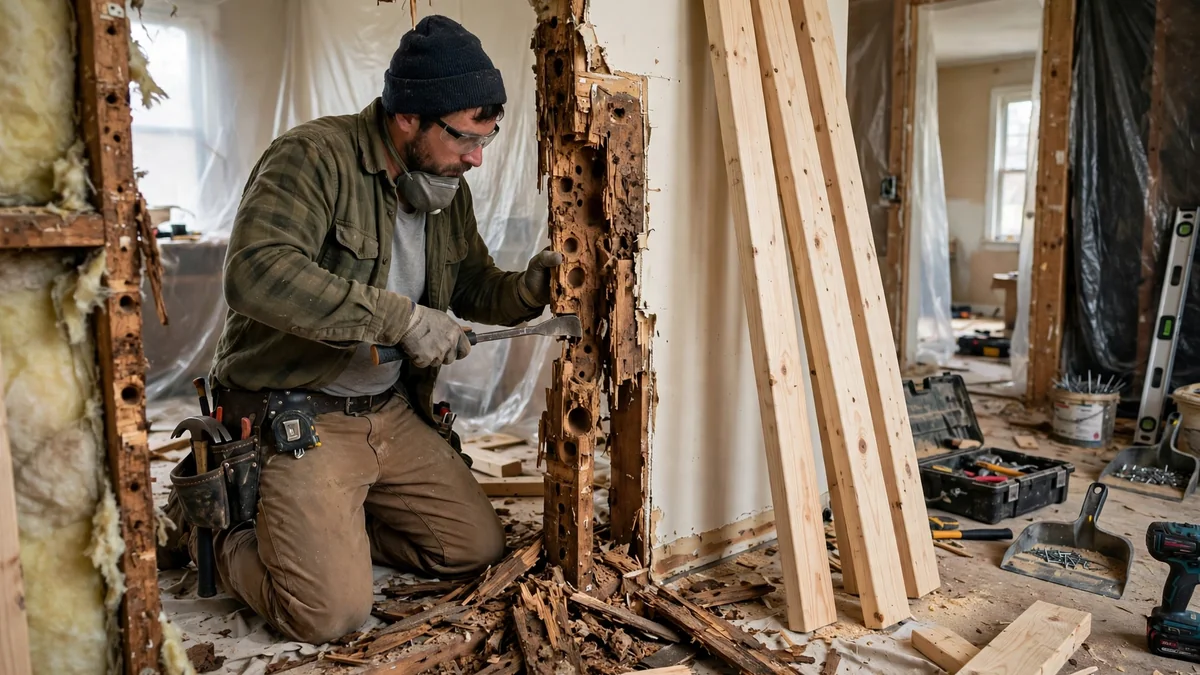
What to repair after treatment, and who should repair it.
Read Guide →