

Termite Swarmers Indoors: What To Do Right Now
Termite swarmers indoors: what to do right now, and what not to do.
Read Guide →Home › Blog › Found Termites What To Do First
Reviewed By Hamza · Updated November 2, 2026 · Read time: about 10 minutes
 Call Now · (555) 000-0000
Stay calm · Do not disturb · Note and photograph · Keep a sample · Protect the area · Call a pro
Finding termites is unsettling, but the first hour matters less for speed than for care: do not disturb the colony, note what you saw, keep a sample if it is safe, and call a local pro. Spraying, breaking open timber, or pulling apart mud tubes can scatter termites and hide the signs a pro needs. This checklist covers the safe steps to take while waiting for inspection.
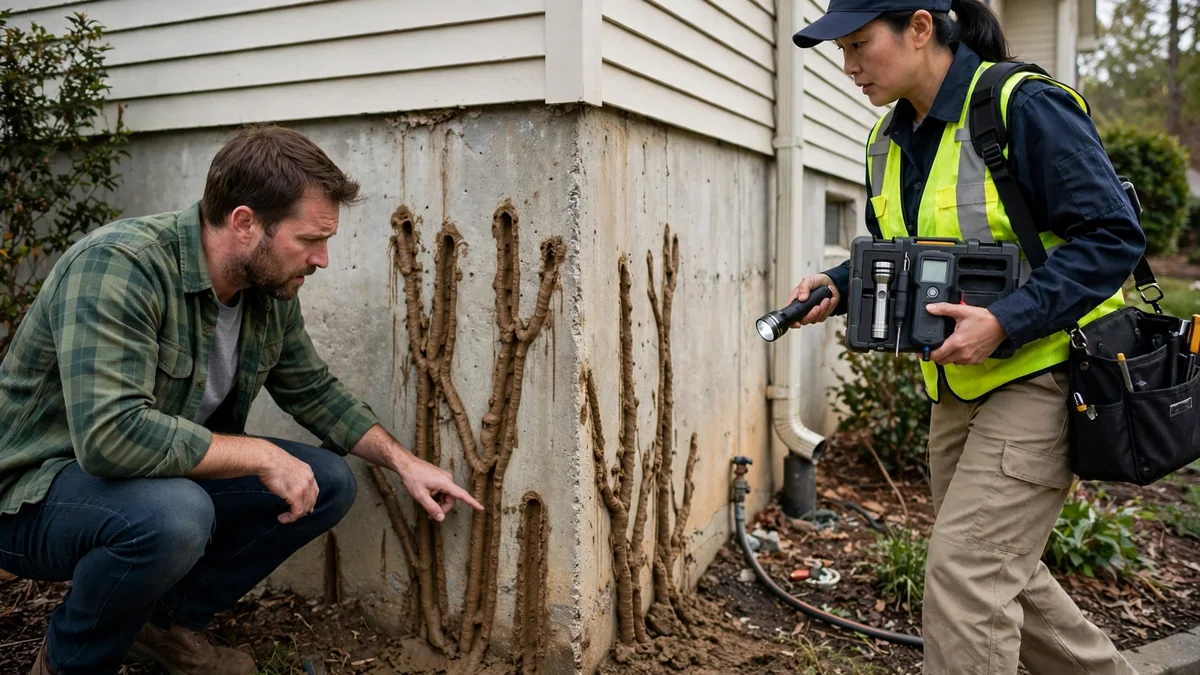
The first thing to do when you find termites is to stop and leave the area as it is. Do not spray, break open mud tubes, pull apart timber, or try to treat the colony yourself, because disturbance scatters termites and destroys the signs a pro uses to identify the species and map the colony. Step back, note the location, and give yourself a moment to plan the next steps calmly.
Note the room and exact location, the date and time, what you saw, whether it was live termites, swarmers, mud tubes, frass, or damaged wood, and how much you saw. Photograph the signs if it is safe, including a close view and a wider view showing the location, without moving or breaking anything. Good notes and photos help a pro plan the inspection and identify the species before arriving.
Keep a sample if you can do so safely, such as a few swarmers or pellets in a sealed bag or jar, labelled with the date and location. A sample helps a pro identify the species, which decides the treatment method. Do not dig into timber or break open galleries to get a sample, and do not handle live termites with bare hands if you can avoid it. If collecting a sample is not safe, photos and notes are enough.
Protect the area by keeping people and pets away from damaged timber, avoiding the spot during cleaning or building work, and not covering signs with paint, filler, or new finishes. If timber looks weak, avoid leaning on it or loading it, and keep the area dry without spraying anything on the colony. The aim is to keep the signs intact and the structure safe until a pro inspects.
Call a local termite pro promptly, describe what you found, where it is, and when you found it, and mention any sample or photos you kept. Say whether you saw live termites, swarmers, mud tubes, or frass, and whether damage looks structural, such as a sagging floor. Clear information helps the pro judge urgency and plan the inspection, and it avoids a wasted visit where access or information is missing.
In the first hour, avoid spraying retail products, breaking open tubes or timber, removing infested wood, painting over damage, and starting repairs. Each of these hides signs, scatters the colony, or fixes timber that termites are still feeding on. Also avoid assuming the problem is small because only a few termites were seen, because colony size cannot be judged from visible insects alone.
Related cities: Termite Treatment Altamonte Springs, FL · Termite Treatment Adel, GA · Termite Treatment Abilene, TX
Cities where termite damage repair help is available by phone.
Short, direct answers to the questions homeowners ask most, with the facts a local pro checks on site.
Finding termites does not normally mean leaving your home, because termites do not bite or sting people and do not make a home unsafe in an hour. Leave a room only if timber looks structurally weak, such as a sagging floor or a beam that moves, and avoid loading that area. A local pro judges structural safety during inspection, and a contractor advises on any timber that needs support or replacement.
Retail spray is not a good first step for termites, because it kills only the insects it touches, scatters the colony, and hides the signs a pro needs to map it. A sprayed area looks dealt with while the colony continues feeding out of sight, which delays proper treatment. Leave the colony undisturbed, keep a sample and photos, and wait for a pro to inspect before any product is used.
Do not break open a mud tube to check for live termites. Breaking a tube disturbs the colony, can scatter termites into new areas, and destroys a sign that helps a pro map the colony's routes. Note where the tube runs, photograph it if it is safe, and leave it intact for inspection. A pro can judge activity from the tube's condition and from other signs without breaking it.
If you find termites late at night or at a weekend, follow the same safe steps: leave the area undisturbed, note and photograph the signs, keep a sample if it is safe, and call a local pro at the next opportunity, or sooner if the service offers round-the-clock calls. Termite damage does not advance dangerously in a night, so careful notes matter more than an immediate midnight response, unless timber looks structurally unsafe.
If you rent, tell your landlord or property manager promptly, because termite treatment and repair are usually their responsibility to arrange, and early notice limits damage. If you are selling, tell your agent and keep the inspection record, because buyers and lenders will ask about termite findings. In both cases, share your notes and photos, and leave the area undisturbed until a pro inspects.
Pets and children should be kept away from termite signs and damaged timber, not because termites attack people or pets, but because damaged wood can be weak and because the area should stay undisturbed for inspection. Keep the room closed or supervised until a pro has visited, and avoid letting pets dig at tubes or timber. The precaution protects both the household and the evidence.
If you already sprayed before reading this, do not worry and do not spray again. Note what product was used, where, and when, and tell the pro during inspection, because that information helps interpret what is found. Leave the area alone from now on, keep any sample or photos, and let the pro judge what remains. One spray does not ruin an inspection, but further spraying can.
How soon a pro inspects after you call depends on the service, the urgency of the findings, and local availability, so no fixed wait is promised here. Describe the signs clearly when you call, including live termites, swarmers, or structural concerns, so urgency can be judged. While waiting, keep the area undisturbed, keep your notes and sample ready, and avoid starting treatment or repair work.
When the pro arrives, have your notes, photos, and sample ready, plus access to the affected area, crawl spaces, and any past treatment or inspection records. Clear furniture or stored items from the area if it is safe, and list any leaks, past damage, or earlier termite work you know about. Good access and history help the pro inspect thoroughly and explain the findings clearly.
Reviewed By Hamza
Certified Structural Pest Control & Termite Control Specialist
Hamza is a licensed structural pest control specialist with extensive field experience diagnosing and treating subterranean, Formosan, and drywood termite infestations across Georgia, Florida, and Texas. He specializes in thermal acoustic inspections, non-repellent liquid perimeter trenching, sub-slab pressure injections, borate wood preservation, and bait station monitoring systems to safeguard residential and commercial properties against catastrophic structural wood loss.
Updated November 2, 2026
Guides that explain the next step, from repair to prevention.
Termite swarmers indoors: what to do right now, and what not to do.
Read Guide →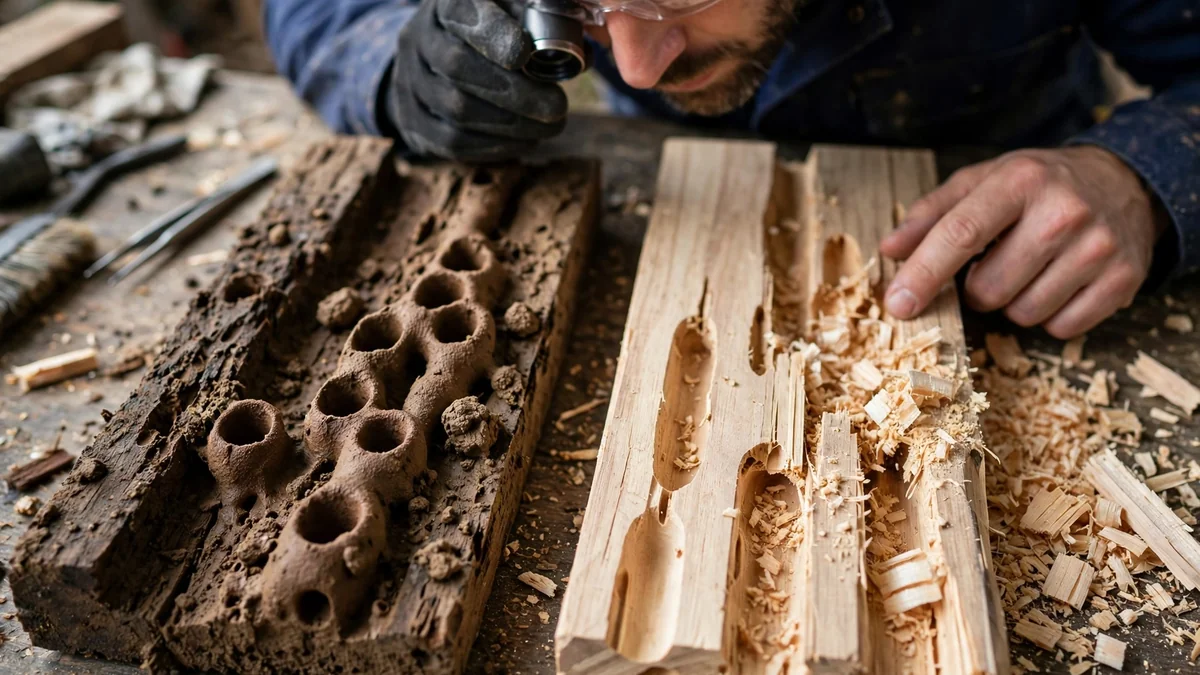
How to tell termite damage from carpenter ant damage before you call a pro.
Read Guide →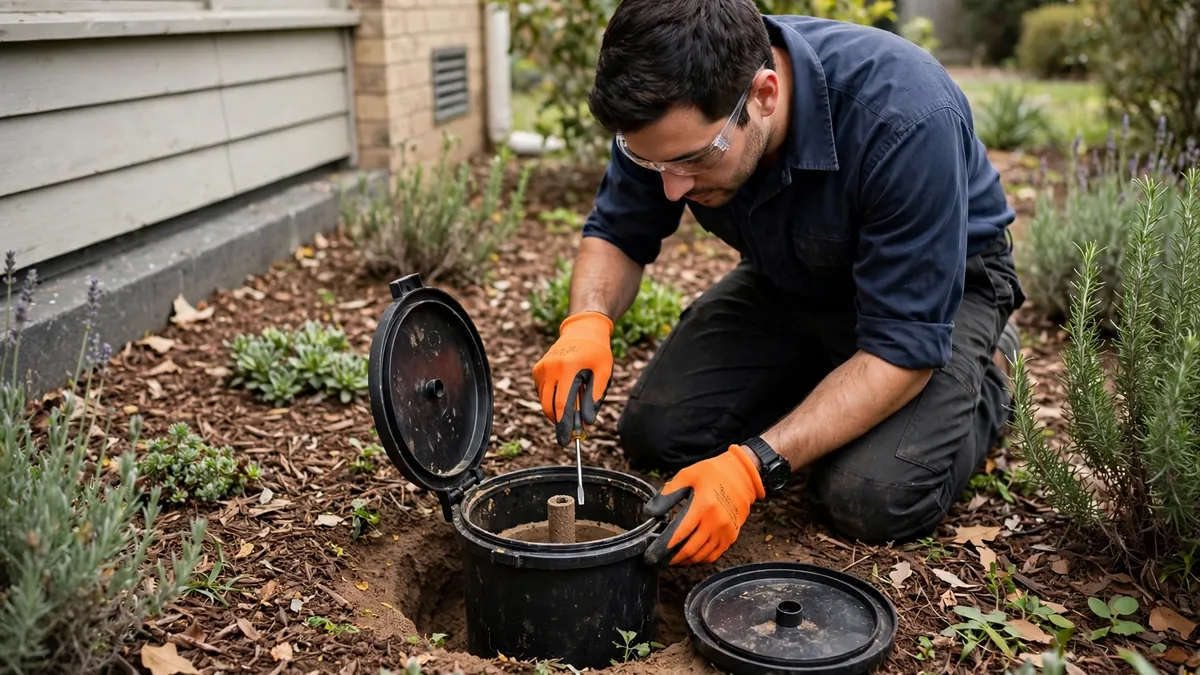
After termite treatment: monitoring, annual inspection, and what to watch for.
Read Guide →