
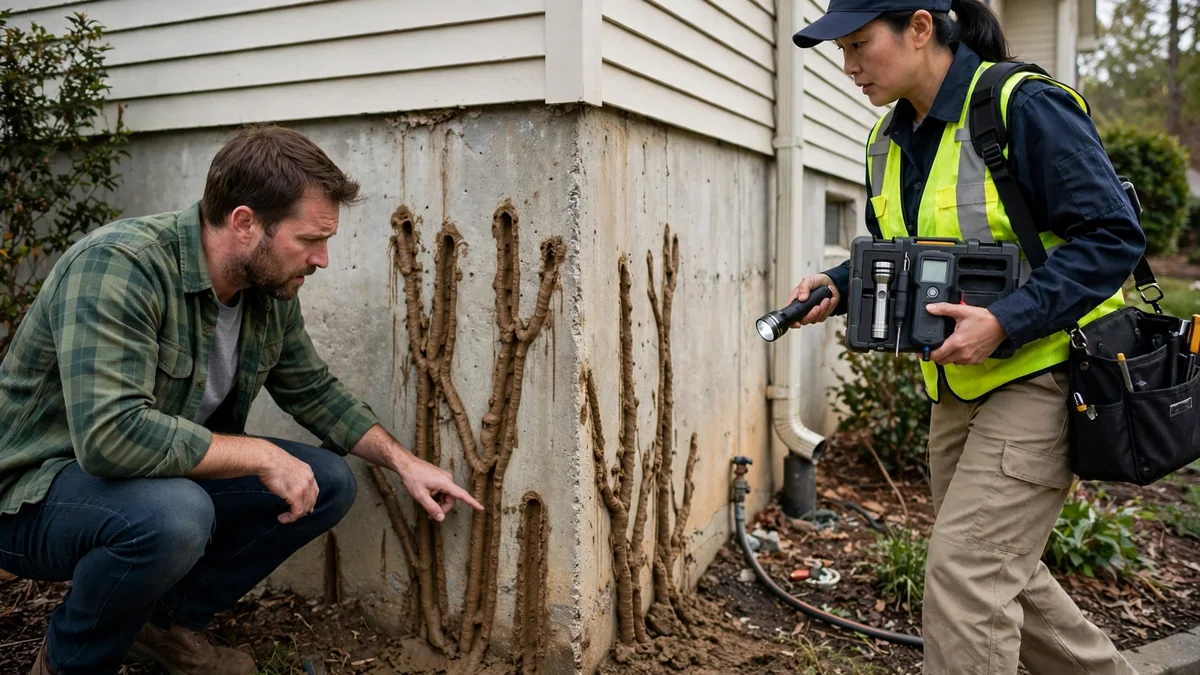
Found Termites? A First-Hour Safe Checklist
Found termites? A safe first-hour checklist before a pro arrives.
Read Guide →Home › Blog › Termite Swarmers Indoors
Reviewed By Hamza · Updated November 2, 2026 · Read time: about 9 minutes
 Call Now · (555) 000-0000
What swarmers are · Why indoors matters · Safe first steps · What not to do · Sample and notes · Calling a pro
Termite swarmers indoors mean a mature colony is nearby, and the safest response is calm, simple, and prompt: note where they appeared, keep a sample if it is safe, avoid spraying, and call a local pro. Swarmers themselves do little damage, but their presence is a warning that a colony has been growing, possibly for years. A pro identifies the species and traces the colony, so treatment targets the right insect and place.
Termite swarmers are winged reproductive termites that leave a mature colony to start new ones, usually in warm months and often around lights. They have straight antennae, a broad waist, and two pairs of wings of equal length, which distinguish them from flying ants. After a flight, swarmers shed their wings, so piles of discarded wings near windowsills or lights are often the first sign a swarm happened.
Swarmers indoors matter because they usually come from a colony inside the home or very close to it, rather than from far away. A colony must be mature before it produces swarmers, so their appearance suggests termites have been active for some time, even when no damage was visible. Indoor swarmers therefore deserve a prompt inspection, even when only a few are seen and no damage is obvious.
Right now, stay calm, note the room, date, and number of swarmers, and collect a few in a sealed bag or jar if you can do so safely. Close the room's doors to limit spread if swarmers are still flying, and avoid spraying, because spray scatters swarmers and hides the signs a pro needs. Then call a local pro promptly, describe what you saw, and keep the sample for identification.
Do not spray swarmers, break open walls, or pull apart timber to find the colony, because each of these disturbs evidence and can scatter termites. Do not ignore a small swarm either, assuming a few insects mean a small problem, because colony size cannot be judged from swarmer numbers. Leave walls, mud tubes, and galleries alone, and let a pro inspect before any treatment or repair work starts.
A pro traces an indoor swarm by identifying the swarmer species from a sample or photo, then inspecting the rooms, framing, and foundation near where swarmers appeared. Mud tubes, frass, hollow wood, and damp areas all help map the colony, and the pro checks whether it sits in soil, timber, or an above-ground nest. The treatment plan follows that map, so it targets the colony rather than the room where swarmers happened to fly.
After inspection, the pro explains the species, the colony location as far as it can be traced, and the treatment options that fit it. Treatment may need follow-up visits, and damaged timber needs a separate repair assessment by a contractor. The pro also advises on prevention, such as fixing leaks and wood-to-soil contact, and sets inspection timing, so a returning colony is caught before it swarms again.
Related cities: Termite Treatment Alachua, FL · Termite Treatment Alpharetta, GA · Termite Treatment Allen, TX
Cities where termite damage repair help is available by phone.
Short, direct answers to the questions homeowners ask most, with the facts a local pro checks on site.
Swarmers are not dangerous to people: they do not bite or sting, and they do not carry disease in the way some pests do. Their importance is as a warning sign, not as a direct threat. The risk sits in the colony behind them, which can damage timber over time, so the right response is prompt inspection, not alarm about the swarmers themselves.
Swarmers do not by themselves mean a home is badly damaged, because damage depends on how long the colony has fed and which timber it reached. A mature colony can swarm while damage is still limited, and a badly damaged home may show no swarmers at all. Only inspection can judge damage, by probing timber and mapping galleries, so swarmers should prompt inspection rather than conclusions about damage.
Swarmers can come from outside, especially when a nearby tree, stump, or neighbouring home holds a colony, and they may enter through an open door or window. Outdoor swarmers are less urgent than indoor ones, but they still deserve attention, because a colony nearby can reach your home. Note where they appeared, check for wings or tubes on your walls, and ask a local pro whether inspection is warranted.
Vacuuming up swarmers tidies the room, but keep a sample first in a sealed bag or jar for the pro to identify, and note where and when they appeared. Vacuuming alone does not deal with the colony, and it can remove wings and bodies that help identification. Treat tidying as a second step, after saving a sample and calling a pro, not as a substitute for inspection.
Spraying swarmers should be avoided because retail sprays kill only the insects they touch, scatter the rest, and hide the signs a pro uses to trace the colony. A sprayed area looks dealt with while the colony continues feeding out of sight, which delays proper treatment. Leaving swarmers alone, apart from collecting a sample, preserves the evidence a pro needs to find the colony.
Swarmers differ from flying ants in body shape: termite swarmers have straight antennae, a broad waist, and two pairs of equal-length wings, while flying ants have bent antennae, a pinched waist, and front wings longer than back wings. Discarded wings also help, because termite wings are equal and often found in piles near windows. When in doubt, keep a sample and let a local pro identify it.
Swarmers appearing at night should be handled the same way as a daytime swarm: note the room and time, collect a sample if it is safe, avoid spraying, and call a local pro promptly. Night swarms often gather around lights, which can make numbers look alarming, but the colony behind them is the same concern. Keep lights in the affected room low if swarmers are still flying, and wait for inspection.
One swarm can come from one colony, but a home can hold more than one colony, and swarmers in different rooms may point to different sources. A pro inspects the whole home, not just the room where swarmers appeared, to check for multiple colonies or species. Treating only the room with swarmers risks leaving another colony active, so full inspection matters even when the swarm looked small.
Call a local pro promptly after seeing swarmers indoors, ideally the same day, because swarmers signal a mature colony that has been active for some time. Prompt inspection does not mean emergency treatment in every case, but it does mean the colony is mapped before more damage accrues. While waiting, leave the area undisturbed, keep your sample, and note any new wings or swarmers that appear.
Reviewed By Hamza
Certified Structural Pest Control & Termite Control Specialist
Hamza is a licensed structural pest control specialist with extensive field experience diagnosing and treating subterranean, Formosan, and drywood termite infestations across Georgia, Florida, and Texas. He specializes in thermal acoustic inspections, non-repellent liquid perimeter trenching, sub-slab pressure injections, borate wood preservation, and bait station monitoring systems to safeguard residential and commercial properties against catastrophic structural wood loss.
Updated November 2, 2026
Guides that explain the next step, from repair to prevention.
Found termites? A safe first-hour checklist before a pro arrives.
Read Guide →
How to tell termite damage from carpenter ant damage before you call a pro.
Read Guide →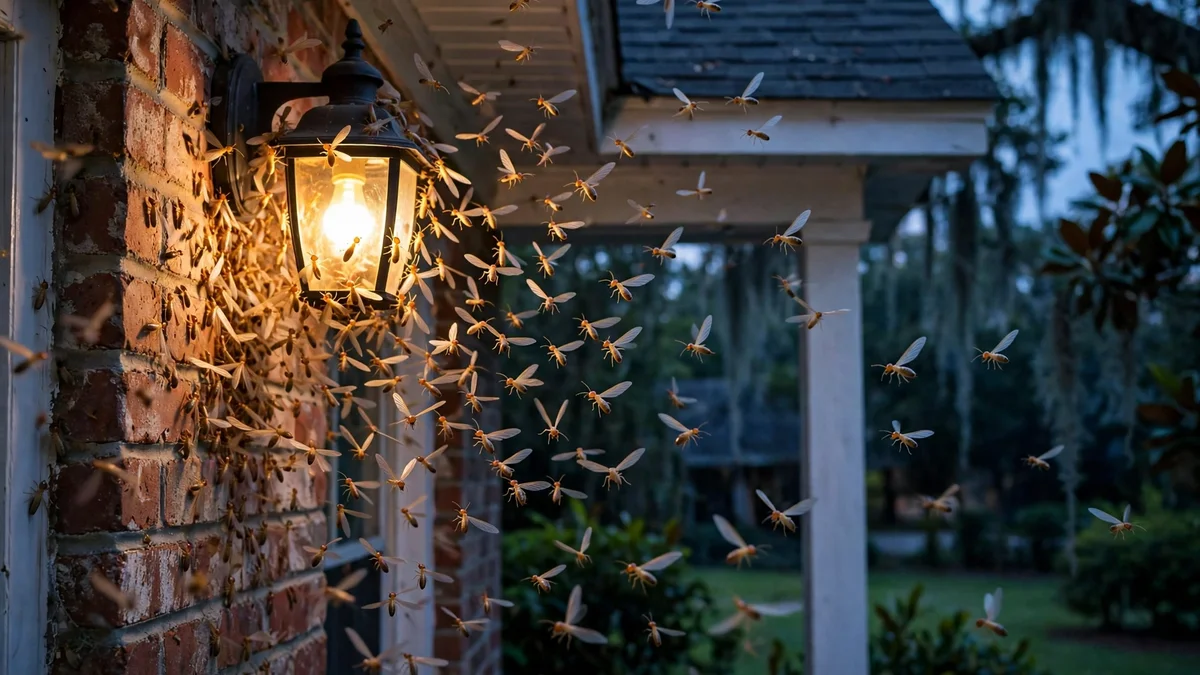
Termite swarm season in Florida, Georgia and Texas: timing inspections by state.
Read Guide →