

Preventing Termites: Wood-To-Soil Contact
Removing wood-to-soil contact: the simplest prevention step homeowners control.
Read Guide →Home › Blog › Prevent Termites Moisture Leaks
Reviewed By Hamza · Updated November 2, 2026 · Read time: about 9 minutes
 Call Now · (555) 000-0000
Why moisture attracts termites · Leaks to fix first · Gutters and downspouts · Grading and drainage · Mulch and ventilation · Inspection routine
Moisture from leaks, gutters, and poor drainage keeps timber damp, and damp timber attracts termites while hiding their damage. Fixing the water source is therefore one of the most useful prevention steps a homeowner can take. A local pro traces damp areas during inspection, but the everyday fixes, from clearing a gutter to repairing a tap, are often simple and worth doing promptly.
Moisture attracts termites because damp wood is softer, easier to feed on, and suits the colonies that need wet timber, while damp walls and plaster also hide galleries from view. Subterranean termites need moisture to survive, and dampwood termites live only in very wet wood. Any leak, overflow, or drainage fault that keeps timber wet therefore raises termite risk, even when no termites are visible yet.
The leaks to fix first are the ones that wet timber directly: roof leaks, plumbing leaks in kitchens and bathrooms, leaking window frames, and dripping outdoor taps near walls. Each keeps a patch of timber damp around the clock, which is exactly what termites need. Fix the source, not just the stain, and check the timber behind the leak for softness or damage once the area can dry.
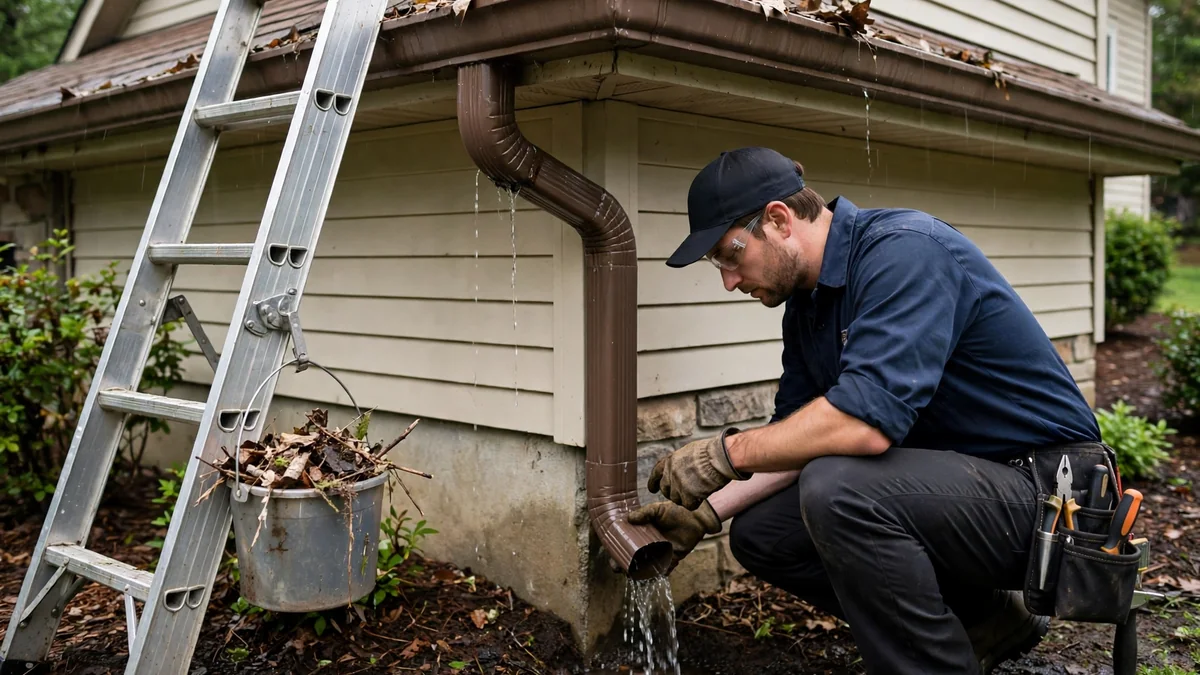
Gutters and downspouts affect termites when they overflow, leak, or discharge water against the foundation, soaking soil and timber at the wall base. A blocked gutter sends roof water down the wall instead of away from the home, while a short downspout pools water at the footing. Clear gutters, fix joints, and extend downspouts so water leaves the foundation area, and check the wall base after heavy rain.
Grading and drainage decide whether rainwater runs away from a home or pools against it. Soil that slopes toward the foundation, low spots near walls, and patios that trap water all keep the footing damp and give subterranean termites a moist route in. Grading soil away from walls, clearing drains, and fixing low spots are prevention steps that protect timber as well as foundations, and a pro notes grading faults during inspection.
Mulch can attract termites when it is piled against foundation walls or timber, because it holds moisture against the structure and gives termites sheltered, damp material to travel through. Mulch itself is not a colony, but thick, wet mulch against a wall hides mud tubes and keeps the wall damp. Keep mulch thin, clear of walls and timber, and check the foundation wall behind it during inspection.
A routine that keeps timber dry includes clearing gutters, checking downspouts after storms, fixing leaks promptly, keeping soil graded away from walls, and ventilating crawl spaces and damp rooms. A seasonal walk around the home, looking for stains, overflow marks, and damp timber, catches most problems early. Pair the routine with termite inspections on the schedule a local pro sets, so damp areas and termite signs are checked together.
Related cities: Termite Treatment Arcadia, FL · Termite Treatment Albany, GA · Termite Treatment Angleton, TX
Cities where termite damage repair help is available by phone.
Short, direct answers to the questions homeowners ask most, with the facts a local pro checks on site.
A small leak can really raise termite risk, because a slow drip that keeps one patch of timber damp around the clock gives termites the conditions they need, even when the leak looks minor. Drips inside walls or under sinks are easy to miss, yet they wet framing for months. Fixing small leaks promptly, and checking the timber behind them, matters more than the size of the drip suggests.
Gutters cause damp when they overflow in rain, drip at joints, or show stains and plant growth on the wall below. Check gutters during rain if it is safe, look for water marks on walls, and inspect the soil at downspout outlets for pooling. A gutter that looks fine from the ground can still leak at a joint, so ask a pro or roofer to check joints and outlets if damp appears at the wall base.
Downspouts should discharge water away from the house, so roof water does not pool at the footing and soak the foundation wall. Short downspouts that end at the wall, or outlets blocked by soil and mulch, defeat the gutter system. Extend outlets clear of the foundation, keep the discharge area free of debris, and check after storms that water is actually leaving the area rather than pooling.
Condensation can attract termites when it keeps timber or wall cavities damp, especially in crawl spaces, bathrooms, and poorly ventilated rooms. Persistent condensation wets timber just as a leak does, and it often goes unnoticed because no drip is visible. Improving ventilation, fixing cold surfaces, and checking crawl space moisture all help, and a pro checks damp areas for termite signs during inspection.
Fixing moisture reduces termite risk and helps treatment last, but it does not replace treatment for an existing colony. Termites already in timber or soil need a plan aimed at the colony, while moisture fixes remove the conditions that attracted them. The two work together: treatment deals with the colony, and moisture repair stops the same damp timber from drawing a new one.
After heavy rain, check gutters and downspouts for overflow, walls for new stains, crawl spaces for standing water, and soil near the foundation for pooling. Rain reveals drainage faults that dry weather hides, and a quick check after a storm catches them early. Note any new damp patches, fix the source promptly, and tell a local pro if damp timber or termite signs appear with the damp.
Bathroom and kitchen leaks are a termite risk because plumbing runs through walls and floors, wetting framing that is hard to see. Slow leaks under sinks, around baths, and behind washing machines can dampen timber for months before staining appears. Check under sinks, around appliance hoses, and at wall bases regularly, and fix any drip promptly, because hidden plumbing leaks are a common source of damp timber.
Ventilation helps prevent termites by keeping crawl spaces, attics, and damp rooms drier, so timber stays less attractive to colonies that need moisture. Stale, humid air lets condensation settle on timber, while airflow carries it away. Clear vents, fix blocked airflow, and ask a pro whether ventilation changes suit your home, especially in crawl spaces where damp air collects.
Gutters should be cleared often enough to stay free-flowing through the seasons, which usually means checking them at least when leaves fall and after storms, and more often where trees overhang the roof. A blocked gutter overflows at the worst time, during rain, soaking the wall it should protect. Set a routine, check outlets as well as channels, and fix joints and brackets before they fail.
Reviewed By Hamza
Certified Structural Pest Control & Termite Control Specialist
Hamza is a licensed structural pest control specialist with extensive field experience diagnosing and treating subterranean, Formosan, and drywood termite infestations across Georgia, Florida, and Texas. He specializes in thermal acoustic inspections, non-repellent liquid perimeter trenching, sub-slab pressure injections, borate wood preservation, and bait station monitoring systems to safeguard residential and commercial properties against catastrophic structural wood loss.
Updated November 2, 2026
Guides that explain the next step, from repair to prevention.
Removing wood-to-soil contact: the simplest prevention step homeowners control.
Read Guide →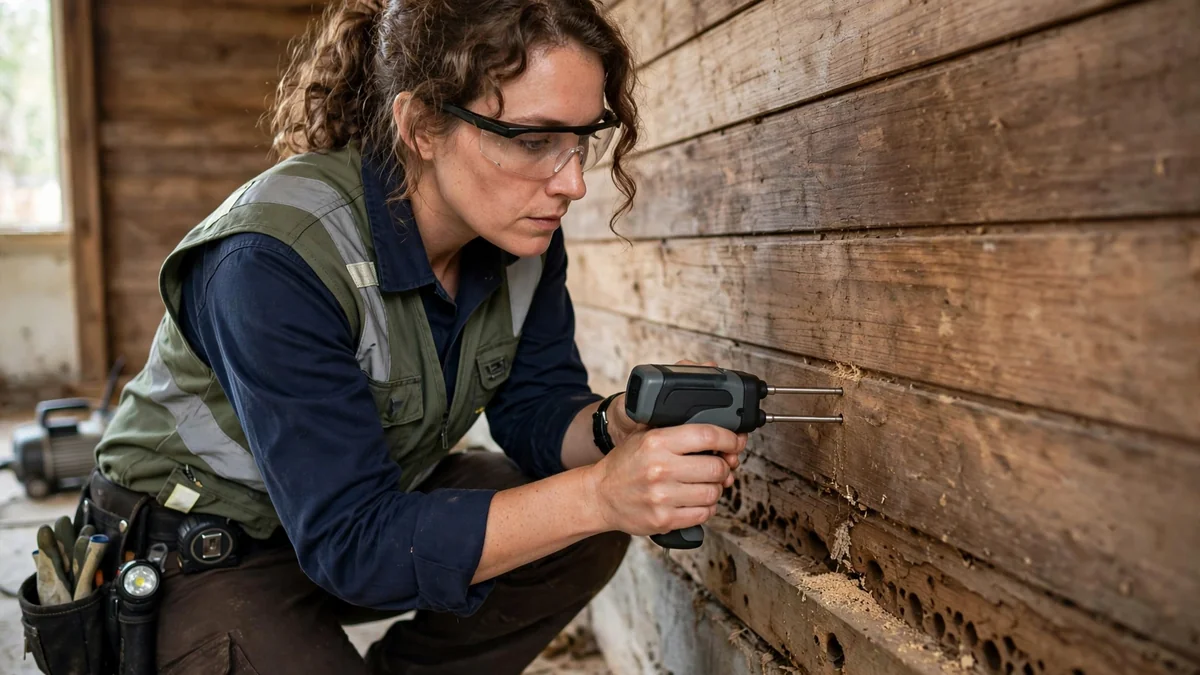
What moisture readings tell an inspector, and why wet wood attracts termites.
Read Guide →
Why dampwood termites need very moist or decaying wood, and how pros find them.
Read Guide →