
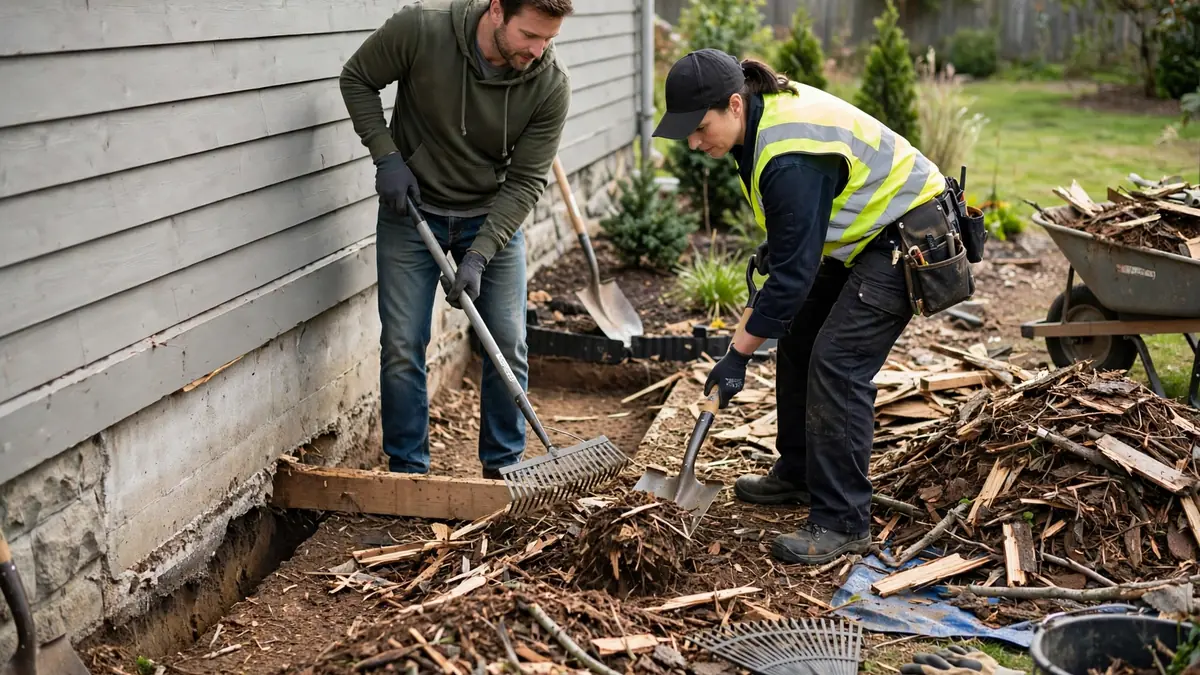
Preventing Termites: Wood-To-Soil Contact
Removing wood-to-soil contact: the simplest prevention step homeowners control.
Read Guide →Home › Blog › Termites Sheds Fences Decks
Reviewed By Hamza · Updated November 2, 2026 · Read time: about 9 minutes
 Call Now · (555) 000-0000
Why outbuildings are at risk · Sheds · Fences · Decks · Signs to check · Treatment and prevention
Sheds, fences, and decks are often the first structures termites reach, because their timber sits close to soil, stays damp, and is checked less often than a home. Termites in an outbuilding can also signal risk to the main home, especially when a fence or deck connects directly to it. A local pro inspects outbuildings as part of a full check, not as an afterthought, and advises on treatment and prevention for each structure.
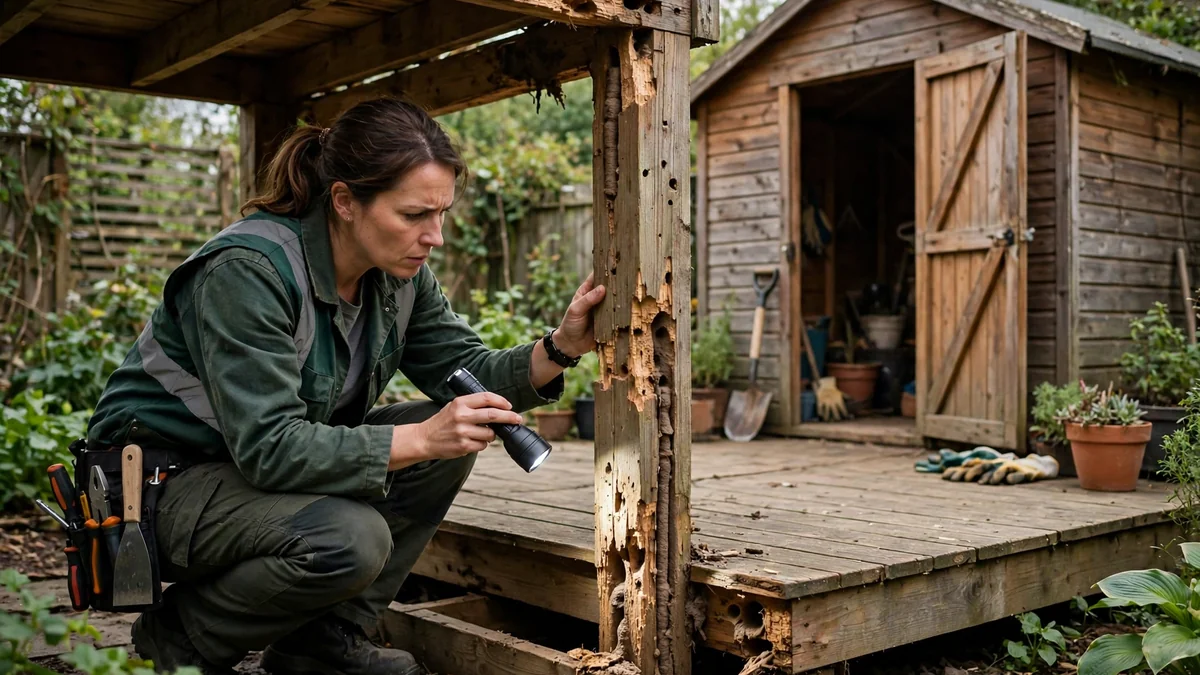
Sheds, fences, and decks are at risk because their timber often touches soil, traps moisture, and sits outside regular inspection routines. Fence posts stand in soil, deck boards sit near ground level, and shed floors rest on damp ground, giving subterranean termites direct routes into wood. These structures also collect leaves and debris that keep timber wet, so colonies can grow unnoticed until damage is visible.
In sheds, termites feed on framing, flooring, and stored timber, often entering through floor boards, wall bases, or posts in soil contact. Damage may stay hidden behind stored items, tools, and boxes, so a shed can hold a colony for years without notice. A pro checks shed walls, floors, and posts, moves stored items where needed for access, and traces whether the colony also reaches the main home.
Termites damage fences by feeding on posts and rails, especially where posts stand in soil and stay damp. A fence post can look sound from outside while its core is hollowed, and the fence may lean or fail before damage is noticed. Fences also matter as bridges: a fence attached to a home can carry termites from soil directly to the house framing, so fence lines near a home deserve inspection as part of the home check.
Decks face termite risk where boards, joists, and supports touch soil, trap leaves, or connect to the home's framing through a ledger board. Low decks are hardest to inspect, because the space beneath is tight and damp, and debris builds up unseen. A pro checks deck supports, joists, and the ledger connection, and advises on clearing debris, improving airflow, and fixing any timber that touches soil.
Homeowners should check outbuildings for mud tubes on posts and walls, hollow-sounding timber, frass below boards, sagging or leaning posts, and swarmers near sheds or fences in warm months. Any of these signs deserves a prompt call to a local pro, rather than a wait for the next home inspection. Note where signs appeared, photograph them if it is safe, and leave tubes and galleries undisturbed.
Outbuildings are treated according to species and structure: soil treatment or bait systems for subterranean colonies, timber treatment for accessible wood, and removal of infested timber where needed. Prevention means keeping timber clear of soil, clearing debris, fixing drainage, and storing firewood away from sheds and fences. A local pro sets the plan for each structure, and checks whether the main home needs treatment too.
Related cities: Termite Treatment Archer, FL · Termite Treatment Alto, GA · Termite Treatment Aledo, TX
Cities where termite damage repair help is available by phone.
Short, direct answers to the questions homeowners ask most, with the facts a local pro checks on site.
Termites in a shed can reach a home when the shed sits close to the house, when a fence or deck connects the two, or when the same soil colony feeds on both structures. Distance helps, but it does not guarantee separation, because subterranean colonies forage through soil over a wide area. A pro checks the home as well as the shed whenever an outbuilding colony is found, rather than treating the shed alone.
A termite-damaged fence post should be assessed before replacement, because the colony behind the damage needs treatment first, or new timber will be fed on in turn. Once a pro confirms activity has ended, a contractor or homeowner can replace the post, ideally with treated timber set clear of soil build-up. Replacing a post while a colony is active only gives the colony fresh wood.
Decks need termite inspection like homes, especially low decks, decks with timber near soil, and decks attached to a house. Deck timber is exposed to weather, soil, and debris, and damage can hide under boards and in joists. Include decks in each termite inspection, clear debris from beneath them, and report mud tubes, frass, or hollow boards promptly, rather than waiting for the deck to sag.
Mulch around a shed can raise termite risk when it is piled against shed walls or posts, holding moisture and hiding mud tubes, just as it does against a home. Keep mulch clear of shed walls, keep soil levels below timber, and check the shed base during inspection. Mulch is useful in gardens, but against timber structures it creates the damp, hidden conditions termites favour.
Metal or composite decking resists termite feeding better than timber, but a deck is not termite-proof when its supports, joists, or ledger board are timber, or when it connects to a timber-framed home. Termites can feed on the timber parts and use the deck as a bridge to the house. Inspect the timber elements of any deck, whatever the decking surface, and keep supports clear of soil.
Infested firewood near a shed should be moved away from buildings, kept off the ground, and dealt with as a local pro advises, rather than stacked against a shed or home. Do not bring infested wood indoors, and do not burn it indoors without advice, because handling can scatter insects. Note where the wood came from and what signs you saw, and let the pro check whether a colony reaches nearby structures.
Subterranean termites need soil contact or a moisture source, so a fence colony usually connects to soil through posts or mud tubes, even when damage appears high on a rail. Drywood termites, by contrast, can live in dry fence timber with no soil contact. A pro identifies the species from the signs, because the treatment plan differs: soil routes need colony treatment, while drywood timber needs timber treatment.
Outbuildings should be checked during each termite inspection of the home, and by the homeowner between visits, especially after storms, flooding, or landscaping changes. Sheds, fences, and decks change with weather and soil, and a gap that was clear last year can close with mulch or soil build-up. A quick seasonal check for tubes, frass, and hollow timber catches most problems early.
Whether a termite bond covers sheds and fences depends on the document, which usually names the covered structures. Some bonds cover the main home only, while others list outbuildings for an added fee. Check the named structures before assuming a shed, fence, or deck is covered, and ask what added cover costs if those structures matter to you, so there is no surprise at claim time.
Reviewed By Hamza
Certified Structural Pest Control & Termite Control Specialist
Hamza is a licensed structural pest control specialist with extensive field experience diagnosing and treating subterranean, Formosan, and drywood termite infestations across Georgia, Florida, and Texas. He specializes in thermal acoustic inspections, non-repellent liquid perimeter trenching, sub-slab pressure injections, borate wood preservation, and bait station monitoring systems to safeguard residential and commercial properties against catastrophic structural wood loss.
Updated November 2, 2026
Guides that explain the next step, from repair to prevention.
Removing wood-to-soil contact: the simplest prevention step homeowners control.
Read Guide →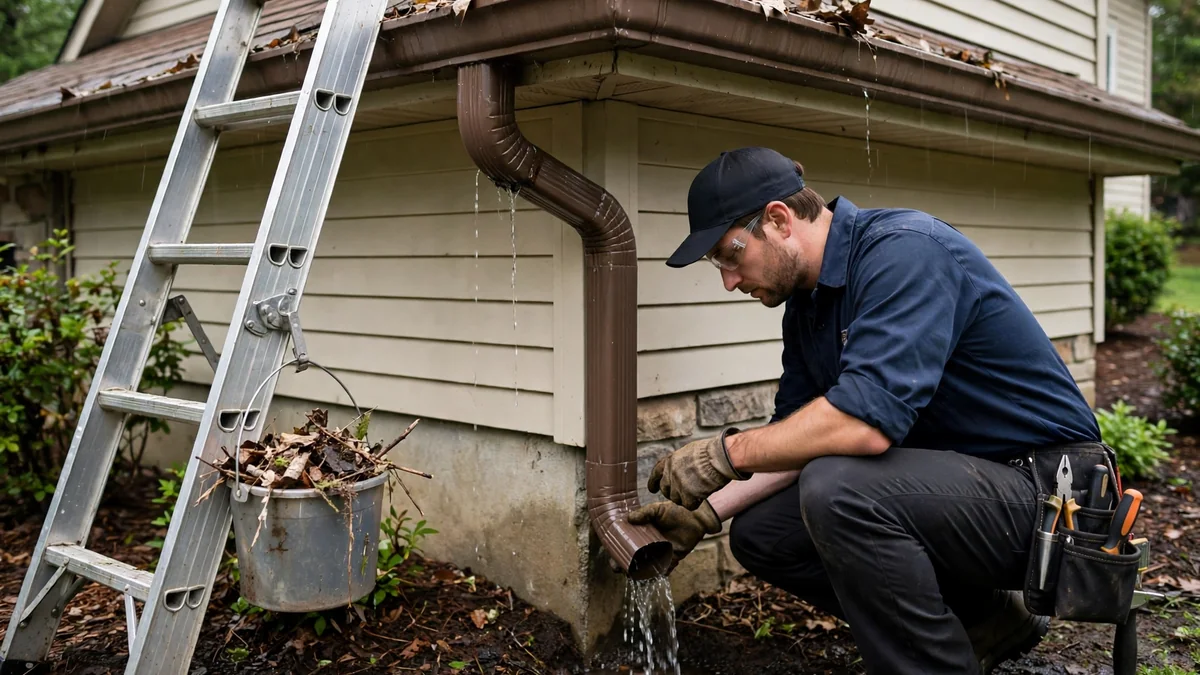
Fixing leaks, gutters and drainage so timber stays dry and less attractive to termites.
Read Guide →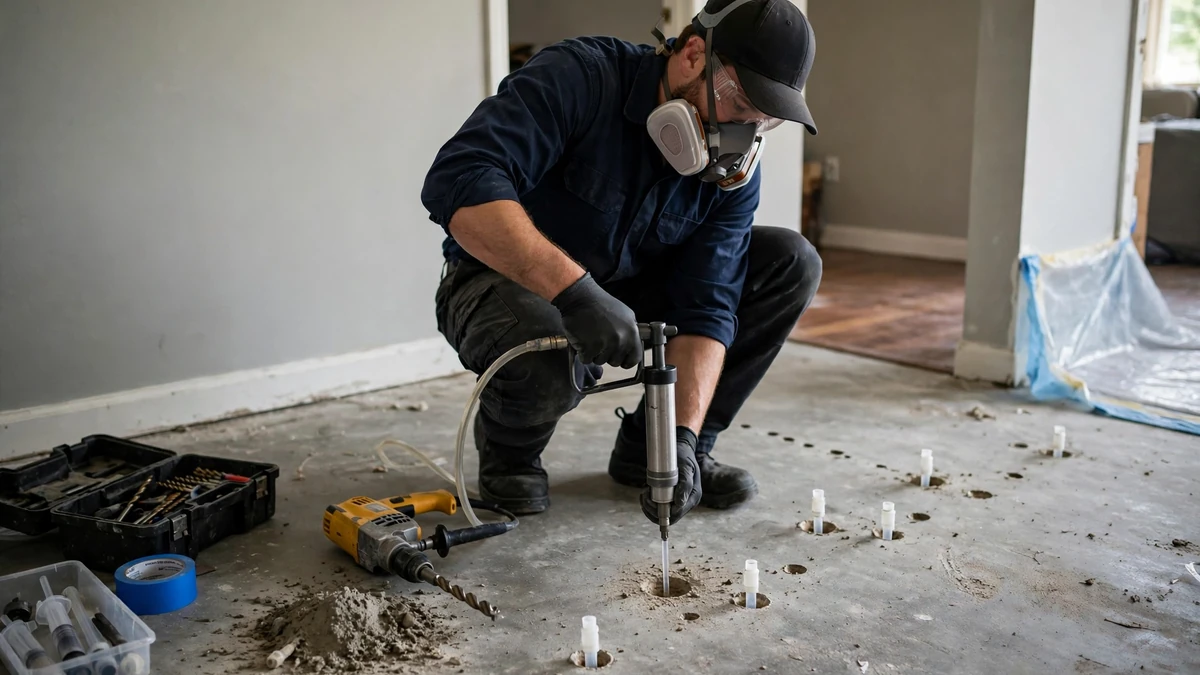
Termite treatment in slab homes: drilling, sub-slab routes, and what to expect.
Read Guide →